
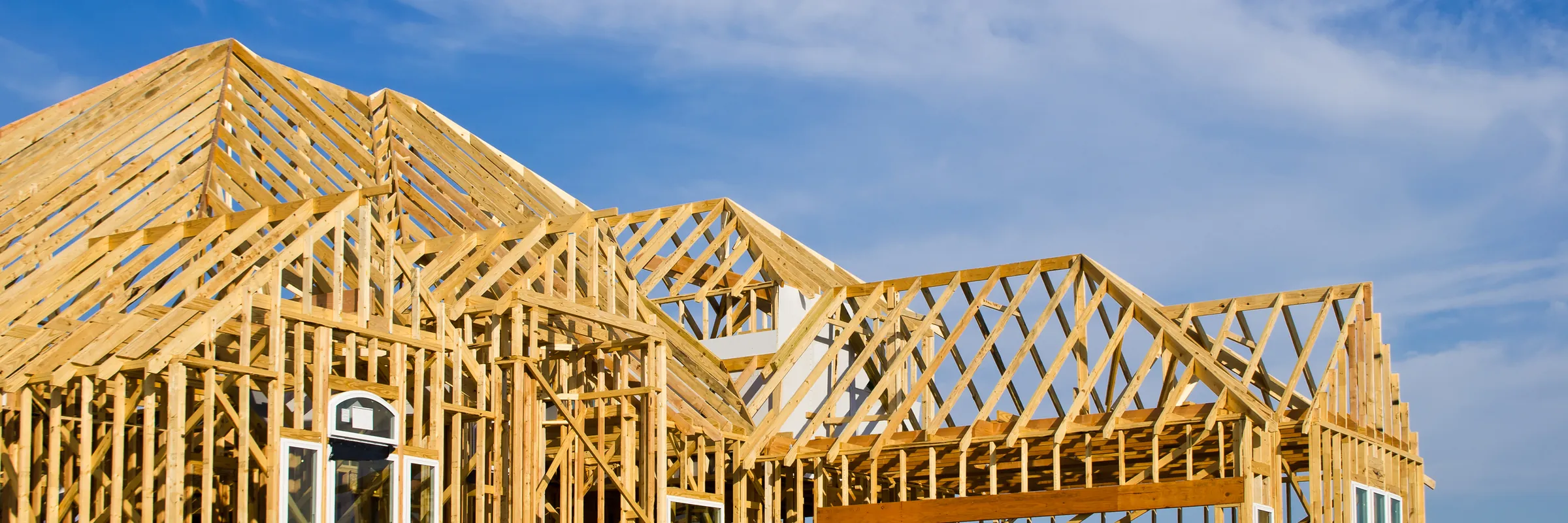
Residential & commercial construction, done right
GreyLine Construction offers a wide range of residential and commercial construction services, from foundation repair to ground-up custom builds, all backed by honest communication and quality craftsmanship.
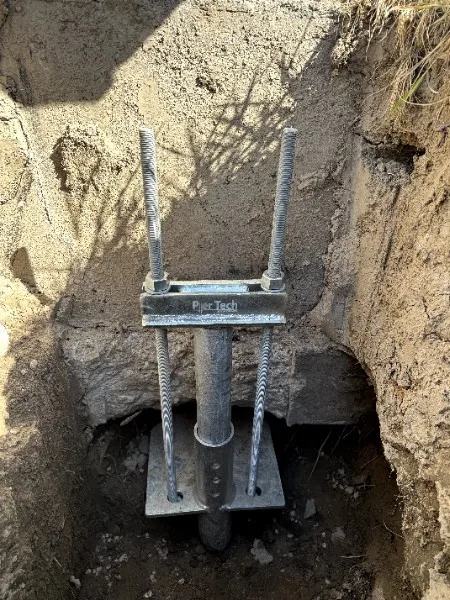
Foundation & Structural
- ✓Foundation Repair & Stabilization
- ✓Helical Pier Installation
- ✓Structural Repairs
- ✓Crawl Space Repairs
- ✓Structural & Custom Welding
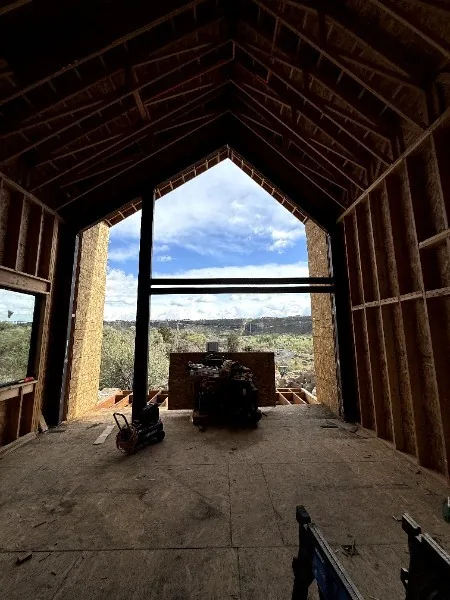
New Construction, Additions & Remodels
- ✓General Contracting
- ✓Ground-Up New Construction
- ✓Home Additions
- ✓Remodels & Renovations
- ✓Framing
- ✓Custom Carpentry
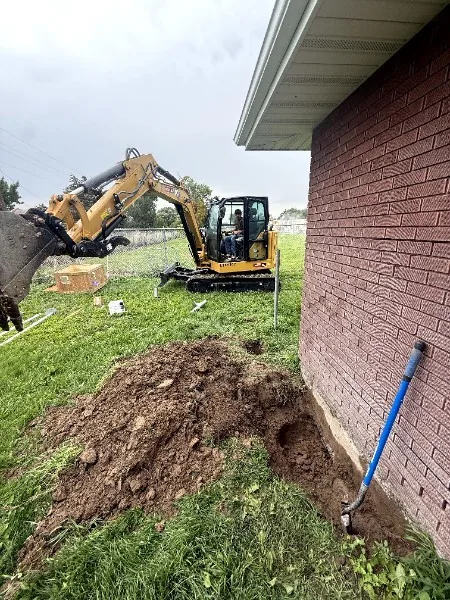
Concrete, Excavation & Outdoor Living
- ✓Concrete Installation & Repair
- ✓Excavation & Site Preparation
- ✓Deck & Patio Construction
- ✓Retaining Walls
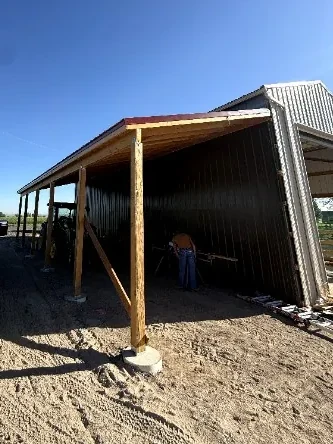
Restoration & Exteriors
- ✓Insurance Restoration
- ✓Water Damage Reconstruction
- ✓Roofing
- ✓Siding
- ✓Window & Door Installation
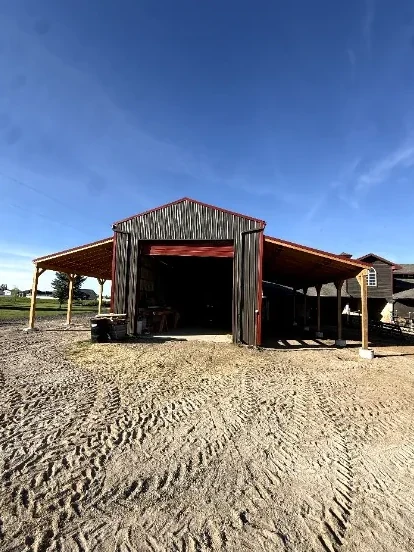
Commercial Services
- ✓Commercial Tenant Improvements
- ✓Project Management & Consulting
Helical Piers & Foundation Stabilization
What is a helical pier?
A helical pier is a steel foundation support with one or more screw-shaped plates. Hydraulic equipment rotates it into the ground, where those plates transfer the structure’s weight into soil capable of supporting it. Helical piers can help stabilize foundations affected by settlement and can also provide support for new construction.
How does installation work?
We evaluate the foundation, soil conditions, and weight the piers need to support. For an existing foundation, we create access at planned footing locations and install the piers, adding extensions as needed. We check installation depth and torque against the project design and the manufacturer’s requirements. Brackets connect the piers to the foundation and transfer its weight into the pier system. Controlled lifting may be possible depending on the structure and repair plan, but a return to the original elevation is not guaranteed. We then secure the connections, backfill the access areas, and complete the agreed site restoration.
GreyLine’s approach
GreyLine installs PierTech helical-pier systems for residential and commercial projects across Idaho. Our installers have completed PierTech training and are certified. We use galvanized steel piers for residential underpinning, with the size, plate configuration, and installation depth selected for the soil conditions, required loads, and project design.
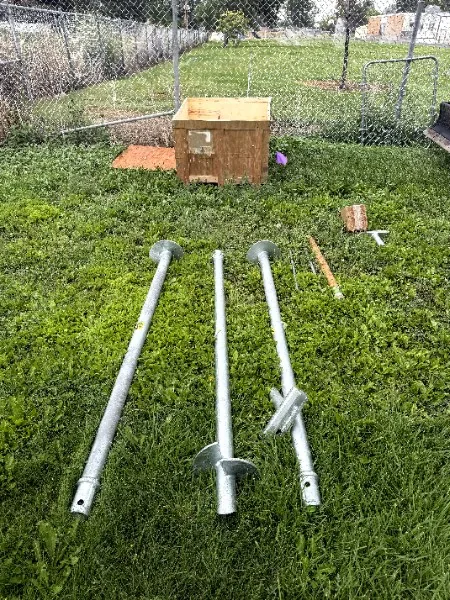
Helical piers on site, ready to install Pier and bracket under a footing 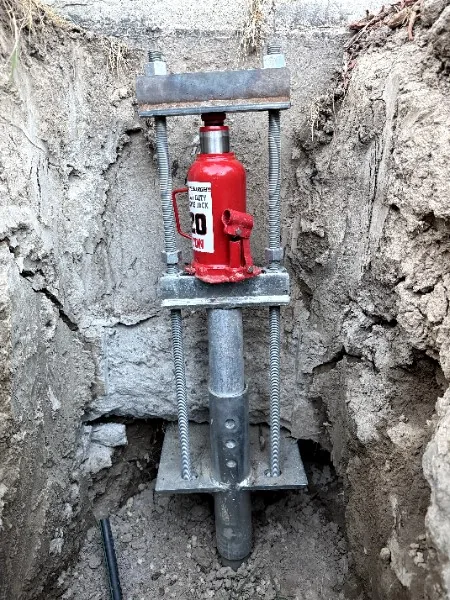
Connecting the pier to the foundation 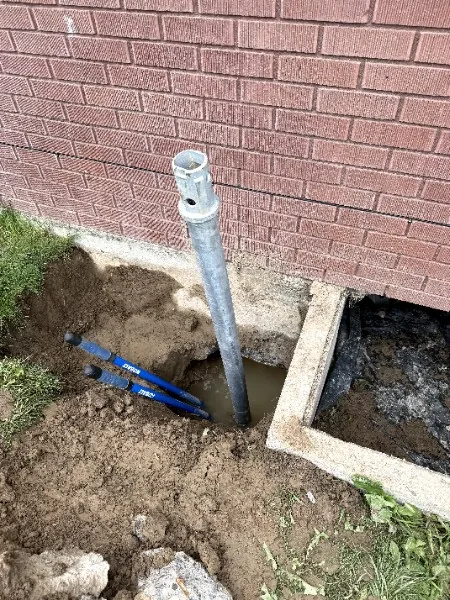
Pier installed at a brick home
We take the time to understand your goals and evaluate the project before we ever pick up a tool.
- ✓Understand your goals
- ✓Evaluate the project on-site
- ✓Walk through your options
- ✓Detailed estimate, clear expectations
Committed to professionalism & accountability
Where strength meets precision.
Let's build it right.
Request a free, no-pressure estimate, or give us a call to talk through your project.
Estimates are based on the agreed scope and visible site conditions. Additional work or unforeseen conditions may require a change order, approved before the additional work proceeds. Engineering, permits, and inspections are completed as required by local jurisdictions. Insurance restoration work is performed in accordance with applicable policy approvals.